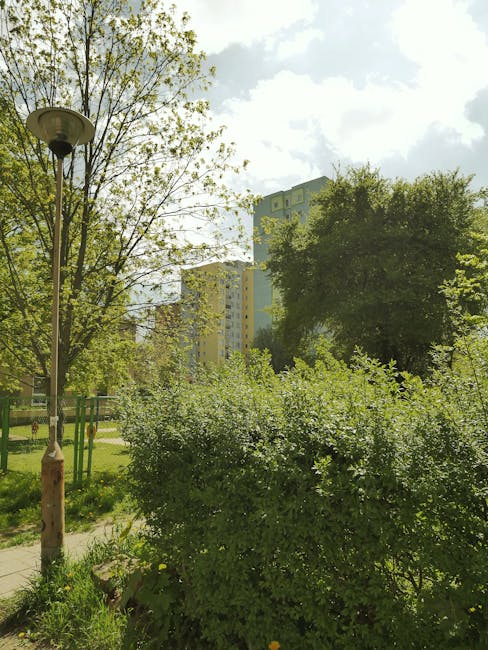
Garden maintenance for West Brompton flats by the station: practical, tidy, local care for compact outdoor spaces
Living near West Brompton station has its perks: quick connections, a lively local feel, and the kind of urban convenience that makes daily life easier. The trade-off? Outdoor space can be limited, shaded, overlooked, and surprisingly demanding to keep neat. That is exactly where Garden maintenance for West Brompton flats by the station becomes useful. A small courtyard, balcony planters, shared entrance garden, or roof terrace can look fantastic, but only if it is looked after consistently.
This guide walks through what proper flat-garden maintenance involves, why it matters in a busy London setting, and how to judge the right level of care for your building. Whether you are a resident, landlord, block manager, or leaseholder, you will find straightforward advice here, plus a practical checklist and a few things people often miss until the ivy starts misbehaving. Truth be told, it usually does.
You will also find helpful links to key service and policy pages, including the full services overview, pricing and quotes, and contact details if you are ready to take the next step.
Table of Contents
- Why Garden maintenance for West Brompton flats by the station Matters
- How Garden maintenance for West Brompton flats by the station Works
- Key Benefits and Practical Advantages
- Who This Is For and When It Makes Sense
- Step-by-Step Guidance
- Expert Tips for Better Results
- Common Mistakes to Avoid
- Tools, Resources and Recommendations
- Law, Compliance, Standards, or Best Practice
- Options, Methods, or Comparison Table
- Case Study or Real-World Example
- Practical Checklist
- Conclusion
- Frequently Asked Questions
Why Garden maintenance for West Brompton flats by the station Matters
Flat gardens in West Brompton are rarely sprawling and carefree. More often, they are compact, visible from neighbours' windows, and exposed to the everyday realities of London living: dust, foot traffic, limited sunlight, and plants that grow a bit faster than you expected after a wet week. Regular garden maintenance keeps these spaces usable rather than awkward.
Near a station, there is also a practical rhythm to think about. People come and go, deliveries arrive, bin stores sit nearby, and access paths matter. A tidy planted area does more than look nice. It creates a better first impression, reduces nuisance growth, and helps the whole building feel looked after. In a block of flats, that feeling counts for a lot.
For many properties, the garden is shared space. That means one person letting weeds go or overwatering planters can affect everyone else. Maintenance is not just about cutting things back. It is about preserving order, keeping circulation clear, and preventing small problems from turning into expensive ones. A cracked pot is one thing. A blocked drain full of leaves is another.
Expert summary: In compact London flat gardens, consistency matters more than drama. Small, regular maintenance usually works better than occasional big tidy-ups, especially where access is tight and planting is close to entrances or windows.
How Garden maintenance for West Brompton flats by the station Works
Good maintenance starts with a simple question: what kind of outdoor space are we dealing with? A balcony with containers needs a different routine from a shared courtyard, and both differ from a ground-floor garden behind a mansion block. The best approach is built around the space, the planting, and how the building is used.
Typical garden maintenance for flats near the station often includes the following:
- grass cutting or lawn care, where lawns exist
- hedge trimming and light pruning
- weeding of beds, borders, paving edges, and planters
- deadheading and seasonal plant tidy-ups
- leaf clearance and green waste removal
- watering plans for containers and new planting
- checking for blocked gullies, slippery paths, or trip hazards
- light seasonal refreshes such as mulching or replanting
In practice, the process usually begins with an inspection or walk-through. That is where a gardener or maintenance team identifies access issues, plant condition, and any shared-use concerns. For example, if the rear garden is only reachable through a narrow corridor, the working method needs to be quieter, cleaner, and more considerate. Nobody wants muddy footprints through a communal hall at 8:30 in the morning. Let's face it, that would be a fast way to annoy people.
After that comes a schedule. Weekly, fortnightly, monthly, or seasonal visits can all make sense depending on plant density and use. Some flats need regular light care; others only need structured visits during spring and summer. The important bit is matching the effort to the space rather than treating every garden like a suburban back garden.
If you want a sense of the broader service structure, the services overview is a useful place to start. If your decision is partly about budget, the pricing and quotes page can help you compare options more confidently.
Key Benefits and Practical Advantages
There is a reason well-maintained shared outdoor space feels calmer. It is not just visual. It changes how a building works day to day.
1. Better kerb appeal and day-to-day presentation
Even a modest planting strip can make a flat block feel considered rather than neglected. For owner-occupiers, that is nice to live with. For landlords and managing agents, it supports the property's overall presentation.
2. Lower risk of small issues becoming bigger ones
Unchecked weeds, overgrown climbers, and poorly drained planters can lead to damp patches, blocked access routes, or damage to hard landscaping. Regular maintenance catches these early. It is boring, yes, but boring is often what saves money.
3. More usable outdoor space
When a courtyard is trimmed back and planters are healthy, people actually use it. A bench becomes inviting. A path feels wider. A little space goes a long way.
4. Easier shared living
In flats, shared expectations matter. A maintenance routine reduces disputes about who is responsible for which weeds, what should be cut back, and when. A clean, predictable schedule helps everyone relax a bit.
5. Better plant health through the seasons
Plants in containers or small beds dry out faster, become rootbound more quickly, and need more careful feeding and pruning. Regular maintenance supports healthier growth instead of the stop-start pattern that often leaves planting looking tired by midsummer.
6. Safer access and cleaner surfaces
Leaves on paving, loose soil, trailing stems, and broken pots are not just untidy; they can be hazardous. Good maintenance keeps entrances and paths easier to navigate, especially in wet weather. In West London, that matters more than people sometimes realise.
Who This Is For and When It Makes Sense
This service is not only for large developments. In fact, the most obvious need is often in smaller blocks where no one has time to stay on top of things properly. If your building has any kind of shared planting, the need becomes clear very quickly.
- Leaseholders who want the communal garden or private terrace kept in good condition
- Landlords trying to present a well-kept flat to tenants or prospective buyers
- Managing agents responsible for keeping shared spaces orderly and safe
- Residents' associations wanting a dependable routine rather than ad hoc chasing
- Ground-floor flat owners with a compact garden, side return, or planting strip
It also makes sense at certain times of year. Spring is the obvious one, because things start moving fast. But autumn can be just as important. Leaves build up, growth slows, and the first damp week reveals every bit of neglected paving. Winter is less glamorous, of course, but it is a good time for pruning planning, structural checks, and prep work.
If you are comparing providers or trying to decide how much help you actually need, the about us page can help you understand the team behind the service, while contacting the company directly is often the fastest way to talk through your building's specifics.
Step-by-Step Guidance
Here is the most practical way to approach garden maintenance for a flat near West Brompton station. Simple, but effective.
-
Assess the space properly
Walk through the garden or courtyard and note what is actually there: lawn, planters, shrubs, climbers, paving, trees, watering points, access doors, storage, and any shared fixtures. A small notebook list does the job. No need to overcomplicate it.
-
Identify the pressure points
Look for the parts that go wrong first. Is there always moss on the shaded paving? Do the window boxes dry out quickly? Is the rear corner hard to reach? These are the details that decide the maintenance plan.
-
Choose the right schedule
Weekly visits work for high-visibility, heavily used shared spaces. Fortnightly care suits many small urban gardens. Monthly may be enough for low-demand areas with hardy planting. Seasonal work can cover pruning and bigger tidy-ups. The schedule should follow reality, not wishful thinking.
-
Set clear responsibilities
If the space is shared, agree who handles watering, waste, access, and approvals for planting changes. Small confusion here becomes big irritation later.
-
Carry out maintenance with access and neighbours in mind
Works near flats should be tidy, quiet where possible, and well timed. Early morning leaf-blowing outside bedroom windows? Probably not the dream. A considerate gardener keeps disruption low and finishes cleanly.
-
Review after each season
What looked good in May may not work in October. Check what thrived, what struggled, and whether the schedule needs adjusting. That feedback loop is what keeps the garden improving rather than merely surviving.
A useful rule of thumb: if the garden looks fine only immediately after a big cut-back and then quickly deteriorates, the schedule is too infrequent or the planting is not suited to the site. That is usually the fix, not "try harder".
Expert Tips for Better Results
Small flat gardens respond best to thoughtful, slightly restrained care. Overdoing it can be just as bad as neglecting it.
- Use container-friendly planting in low-light or paved spaces. Not every plant wants to live beside a station and a brick wall, and that is fair enough.
- Keep one simple focal point, such as a tidy shrub, a bench, or a grouping of pots. A small space feels calmer when it has a visual anchor.
- Mulch exposed soil to help retain moisture and slow weed growth. It also makes beds look finished rather than half-done.
- Trim climbers before they become a problem. In urban settings, climbers can quickly cover windows, gutters, or fences if left unchecked.
- Water in a planned way, especially for balcony planters and summer bedding. Random watering often means some pots are drowning while others are bone dry. Not ideal.
- Choose hardy, low-fuss planting where turnover is high or responsibility is shared. Reliable plants are worth their weight in gold in communal areas.
- Keep edges and paths clean. A tidy border line can make a small space look much larger.
One thing seasoned gardeners notice quickly: most "messy" flat gardens are not actually lacking effort, they are lacking a system. Once the routine is right, the whole place settles down.
Common Mistakes to Avoid
These are the problems that show up again and again in compact London gardens, especially around shared buildings.
Letting the space run on a seasonal panic cycle
A huge spring tidy followed by months of nothing sounds efficient, but it usually is not. Growth rebounds, weeds set seed, and everything becomes harder next time.
Choosing plants for looks only
Pretty at the garden centre does not always mean practical in a shaded courtyard. A plant that looks wonderful on one sunny patio may sulk badly in a north-facing flat garden.
Ignoring drainage and runoff
In a small area, standing water, blocked grates, or soil washing onto paving can become persistent annoyances. This is one of those unglamorous issues that matters a lot.
Forgetting access logistics
If a maintenance team cannot easily reach the back garden, every job takes longer and costs more. Doors, keys, storage, and safe routes should be sorted early.
Not agreeing who does what
Shared gardens can become awkward very quickly if no one knows whether watering, pruning, or waste removal is included. The garden then becomes a polite source of resentment. Not exactly the vibe.
Over-pruning
Shaping is good. Stripping a plant back to bare sticks because it looked a bit untidy is not always the right move. Good pruning protects plant health and structure.
Tools, Resources and Recommendations
For flat gardens, the best tools are often compact, reliable, and easy to store. You usually do not need a van full of heavy kit; you need the right basics and a sensible plan.
| Task | Useful equipment | Why it helps in flat gardens |
|---|---|---|
| Weeding and edging | Hand trowel, hoe, edging tool | Good for tight borders, paving joints, and small beds |
| Pruning and shaping | Secateurs, loppers, pruning saw | Lets you work accurately without damaging nearby plants |
| Container care | Watering can, long-spout can, moisture-retaining compost | Makes watering easier where hose access is limited |
| Leaf clearance | Rake, hand brush, leaf bags | Keeps entrances and paths safe and presentable |
| General tidy-up | Gloves, lightweight trug, secateurs holster | Improves efficiency in small, access-restricted spaces |
For people commissioning a service, useful resources often include a clear service scope, transparent quotation information, and practical policies that show how the company works. You can review health and safety information, insurance and safety details, and recycling and sustainability commitments if those matter to your building. They usually do, even if people only ask about them after a problem.
For quote comparisons, it helps to request the same scope from each provider. Ask what is included, how often visits occur, and whether waste removal, pruning, and seasonal replanting are extra or part of the package. Apples with apples. Much easier.
Law, Compliance, Standards, or Best Practice
For flat gardens, compliance is usually less about dramatic legal issues and more about sensible standards, safe working, and neighbourly care. Still, there are a few important points to keep in mind.
First, shared spaces should be maintained so that they do not create avoidable hazards. That means keeping walkways clear, avoiding loose debris, managing slippery buildup, and making sure storage does not obstruct access. Where contractors are involved, they should work in line with accepted UK health and safety expectations and use appropriate methods for the site.
Second, if a property has leasehold arrangements or building management rules, those may affect who is responsible for gardening, access, and approvals for changes. The exact obligations vary, so it is sensible to check your documents rather than guess. Guessing is rarely the winner here.
Third, if green waste is being removed, it should be handled responsibly. Good practice includes separating recyclable green material where possible and avoiding unnecessary landfill. That is where a sustainability-minded approach can make a real difference.
Finally, contractors should be able to explain how they work safely around residents, visitors, pets, and enclosed spaces. If you are comparing providers, documents such as terms and conditions, payment and security information, and complaints procedure details are useful signs of an organised, accountable service.
Options, Methods, or Comparison Table
There is no single right way to maintain a flat garden. The best method depends on size, access, budget, and how often the space is used. Here is a simple comparison to help you think it through.
| Approach | Best for | Pros | Watch out for |
|---|---|---|---|
| Weekly maintenance | Busy shared gardens, visible front areas, heavy planting | Consistent presentation, less build-up, easier to manage seasonal growth | Higher ongoing cost, may be more than some spaces need |
| Fortnightly maintenance | Most small flat gardens and courtyards | Good balance of care and value, keeps things under control | May need occasional extra visits during peak growing periods |
| Monthly maintenance | Low-activity spaces or hardy planting schemes | Economical, simple to schedule | Can be too slow for fast growth or high-visibility areas |
| Seasonal tidy-ups | Very small or lightly used areas | Useful for pruning, planting refreshes, and bigger clearances | Too infrequent for ongoing weed control or watering needs |
For many West Brompton flats, fortnightly maintenance is the sweet spot. Not always, but often. It keeps things calm without feeling excessive, and it is usually responsive enough for the kind of mixed weather and rapid growth London can throw at a small garden.
Case Study or Real-World Example
Consider a small ground-floor flat near West Brompton station with a narrow rear courtyard, a few planters, and a climbing plant on the back wall. At first glance, it seems low maintenance. In reality, the shade means moss appears on the paving, the planters dry out in warm spells, and the climber starts reaching for the guttering if ignored for long enough.
The owners tried a once-in-a-while tidy-up approach. It looked fine for a few days after each visit, then slipped back. Leaves collected in the corners, the pots became uneven, and the space felt smaller than it was. Nothing disastrous, just slowly frustrating.
After switching to a simple regular routine, the pattern changed. Weeding happened before it spread. The climber was trimmed lightly but consistently. The planters were checked and watered properly. The paving stayed clearer, and the courtyard became somewhere people actually paused for a minute with coffee instead of walking past. Not glamorous, but genuinely nicer to live with.
That is the real point. Good maintenance in flat gardens rarely feels dramatic. It just quietly makes life easier.
Practical Checklist
Use this checklist if you are planning or reviewing maintenance for a flat garden near the station.
- Confirm what kind of space you have: courtyard, balcony, terrace, shared garden, or planting strip
- Check access arrangements, keys, and any resident restrictions
- List the main maintenance tasks needed each visit
- Decide whether weekly, fortnightly, monthly, or seasonal care is appropriate
- Identify watering needs for containers and new plants
- Review the condition of paving, drains, edges, and paths
- Make sure waste removal and recycling arrangements are understood
- Confirm who approves planting changes or larger pruning work
- Ask for clear service scope and quote details
- Keep a simple seasonal review so the plan can improve over time
If you are comparing providers, it is also sensible to read the company's policies and practical information before you commit. That includes accessibility information, privacy policy details, and ethical sourcing and labour standards, especially if you are responsible for a managed building. These are not glamorous pages, admittedly, but they tell you a lot about how a business operates.
Get a free quote today and see how much you can save.
Conclusion
Garden maintenance for West Brompton flats by the station is really about keeping limited outdoor space calm, safe, and pleasant to use. In a busy London setting, that means more than the occasional tidy-up. It means a routine that respects access, protects plants, and avoids the small build-ups that make compact gardens feel difficult.
The best approach is usually straightforward: understand the space, set a sensible schedule, keep communication clear, and avoid overcomplicating what is, at heart, a very practical job. When it is done well, you barely notice the maintenance itself. You just notice that the garden feels better. Cleaner. Quieter. More yours.
And that, to be fair, is exactly what a good flat garden should do.
Frequently Asked Questions
What does garden maintenance for a flat near West Brompton station usually include?
It usually covers weeding, pruning, hedge trimming, plant care, leaf clearance, path tidying, and seasonal checks. For flats, it may also include container watering, access clearance, and light maintenance of shared courtyards or entrance planting.
How often should a flat garden be maintained?
That depends on the size of the space and the planting. Many small urban gardens do well with fortnightly maintenance, while high-visibility or heavily used shared spaces may need weekly visits. Low-use areas may only need monthly or seasonal care.
Is a balcony garden treated differently from a courtyard garden?
Yes. Balcony gardens usually need more container care, careful watering, and lighter-weight planting choices. Courtyards often need more weed control, pruning, and attention to paving, drainage, and shared access.
Who is responsible for garden maintenance in a block of flats?
It depends on the lease, management structure, and whether the space is private or communal. In many cases, the landlord, managing agent, or residents' association sets the arrangement. It is best to check the property documents rather than assume.
Can garden maintenance be done without disturbing residents?
Yes, if it is planned properly. Good contractors work considerately, keep noise and mess low, and choose sensible times for visits. In tight residential buildings, access and timing matter as much as the gardening itself.
What are the most common problems in small London flat gardens?
Common issues include shade, poor drainage, weeds in paving joints, containers drying out, overgrown climbers, and limited storage for tools or waste. The good news is that most of these are manageable with a regular routine.
How do I know if my garden needs weekly or fortnightly care?
Look at how quickly it changes. If weeds, leaf fall, or plant growth become obvious within a week or two, a more frequent schedule will help. If the space stays stable for longer periods, a lighter routine may be enough.
Is winter garden maintenance still necessary?
Yes. Winter is often a good time for clearing leaves, checking drainage, protecting plants, and planning pruning. There is usually less visible growth, but the garden still benefits from care.
Can maintenance improve the value or appeal of a flat?
It can improve presentation and perceived care, which matters to buyers, tenants, and visitors. While it is not a guarantee of value change, a tidy and well-managed outdoor space usually makes a property feel more complete and easier to live with.
What should I ask for when getting a quote?
Ask what tasks are included, how often visits happen, whether green waste removal is covered, what happens during seasonal peaks, and how access is managed. Clear quotes make comparison much easier.
Are there sustainability benefits to regular maintenance?
Yes. Regular care can reduce plant loss, support healthier growth, and make green waste handling more efficient. A service that separates and recycles material where possible is usually a better fit for environmentally minded households and buildings.
Where can I find more information about the service and policies?
You can review the services overview, recycling and sustainability information, and terms and conditions. If you still have questions, contacting the team directly is usually the quickest next step.