Redcliffe Gardens gardeners for period property front gardens
If you live in a period home near Redcliffe Gardens, the front garden does a lot more work than people realise. It sets the tone before anyone even reaches the door, and with older properties, the wrong planting or a heavy-handed redesign can feel off straight away. The right Redcliffe Gardens gardeners for period property front gardens understand that balance: tidy, elegant, characterful, and practical enough to live with week after week.
That usually means more than mowing the grass or trimming the hedge. It means reading the house properly, understanding the original frontage, and choosing a maintenance rhythm that suits London life. In this guide, you'll find a clear, grounded look at what good period-property front garden care involves, how it works, and what to watch out for if you want a front garden that feels like it belongs there.
- Why this matters for period homes
- How the service typically works
- Key benefits and practical advantages
- Who it is for
- Step-by-step guidance
- Expert tips for better results
- Common mistakes to avoid
- Tools, resources and recommendations
- Law, compliance and best practice
- Options and comparison
- Real-world example
- Practical checklist
- Conclusion
- Frequently asked questions
Why Redcliffe Gardens gardeners for period property front gardens Matters
Period front gardens are not just decorative. They are part of the architecture. A front boundary planting scheme, a well-kept path, or even the shape of a hedge can change how a house feels from the street. With Victorian, Edwardian, and similar period properties, the frontage often carries visual rules that were never written down but are easy to notice once they're broken.
In Redcliffe Gardens, where kerb appeal matters and many homes have distinct historic proportions, a front garden should respect the property rather than fight it. That can mean keeping the layout simple, using restrained planting, and avoiding the kind of clutter that makes a frontage look busy or awkward. Truth be told, a lot of front gardens fail because they try to do too much. A period property usually looks better when the design is calm, well edited, and consistent.
There's also a practical side. Front gardens are exposed to foot traffic, pollution, shade from neighbouring buildings, and the stop-start nature of city maintenance. If the planting is too delicate, it struggles. If the hard landscaping is poorly chosen, it weathers badly. If the routine is irregular, everything starts to look tired at once. That's why experienced gardeners working on front gardens in Redcliffe Gardens tend to take a more measured approach: less fuss, more intent.
Expert summary: A successful period front garden usually combines restraint, structure, and regular upkeep. It should look like it belongs to the house, not like it was dropped in after the fact.
You may also notice that a well-kept frontage can change the whole feel of a street. One neat, balanced garden often lifts the neighbouring properties too. It sounds small. It isn't, really.
How Redcliffe Gardens gardeners for period property front gardens Works
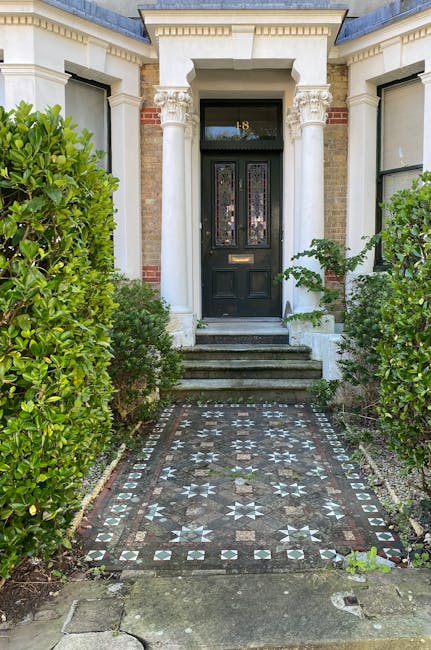
A good front garden service for a period home usually starts with observation. What is the house style? How much light does the frontage get? Is the garden visible from the pavement, or set back behind railings or a low wall? Are there original features worth highlighting, such as ironwork, tessellated paths, or an old tiled threshold? These details shape the work more than any generic checklist.
The process often follows a practical pattern:
- Initial assessment. The gardener looks at the front boundary, planting structure, soil condition, drainage, and how much ongoing maintenance the space really needs.
- Style matching. Planting and shaping are chosen to suit the age and proportions of the property. A formal terrace front may need a different treatment from a broader detached frontage.
- Maintenance planning. Weekly, fortnightly, or seasonal tasks are set out. In London, consistency matters more than occasional big efforts.
- Careful execution. This might include pruning, edging, weed control, soil improvement, deadheading, hedge shaping, and path tidying.
- Review and adjustment. A front garden is rarely perfect on day one. Plants settle. Light changes. A hedge matures. Good gardeners adjust the plan rather than forcing it.
For some homes, the work is almost entirely maintenance. For others, a light redesign is needed to bring the front into balance. That might include improved planting structure, better seasonal interest, or a cleaner relationship between the path, steps, and beds. If the front garden is especially overgrown or neglected, a garden clearance can be the sensible first move before anything finer is done.
Where a front garden links visually to the rest of the property, small changes matter. A clipped hedge in the right place can frame a bay window beautifully. A low-maintenance evergreen structure can keep things looking smart even in January. Small decisions, but they stack up fast.
Key Benefits and Practical Advantages
The obvious benefit is appearance. A period property with a tidy, sympathetic front garden simply looks cared for. But the advantages go further than first impressions.
| Benefit | What it means in practice | Why it matters for period homes |
|---|---|---|
| Better kerb appeal | The frontage looks balanced, tidy, and welcoming | Protects the house's character and presence |
| Improved structure | Hedges, borders, and paths work together | Matches the formal feel many older homes need |
| Easier upkeep | Maintenance becomes predictable and manageable | Prevents the garden from slipping into disorder |
| Healthier planting | Plants are placed where they can actually thrive | Reduces patchiness and constant replacement |
| Smarter use of space | Even a small frontage feels usable and calm | Especially useful in London terraces and narrow plots |
There's another benefit people often miss: confidence. When your front garden looks right, the whole property feels more settled. You stop noticing every weed or overgrown edge on the way out the door. And yes, that counts. A lot.
For homeowners thinking commercially as well as aesthetically, a well-kept frontage can also help when selling or letting. Buyers tend to read the front garden as a sign of how the rest of the property has been looked after. Fair or not, that first impression lands quickly.
Who This Is For and When It Makes Sense
This type of service makes sense for a few different kinds of property owner.
- Period homeowners who want the front of the house to feel authentic rather than generic.
- Busy professionals who like the look of a proper front garden but do not have the time to keep it in shape.
- Landlords and agents who need the entrance to look reliable, tidy, and inviting.
- Older residents who want a neat frontage without the physical strain of doing everything themselves.
- People preparing to sell and needing the garden to support the overall presentation of the house.
It also makes sense when your front garden has become slightly unruly but you are not ready for a full redesign. Sometimes the best answer is a steady maintenance plan, not a dramatic overhaul. Let's face it, not every garden needs a makeover show moment.
Redcliffe Gardens gardeners for period property front gardens are especially useful when the frontage has a few awkward issues at once: uneven light, patchy lawn, a hedge that has grown too broad, or planting that has lost its shape. Those problems usually do not solve themselves. If anything, they get louder over time.
Step-by-Step Guidance
If you are trying to decide how to approach your period front garden, this simple sequence is a good place to start.
1. Read the house first
Look at the architecture before you look at the plants. Is the frontage formal or relaxed? Narrow or broad? Symmetrical or a little asymmetrical by design? A front garden should complement that structure, not ignore it.
2. Decide what really needs changing
Not every tired-looking garden needs a complete redesign. Sometimes it needs hedge reduction, weed control, healthier soil, and a better maintenance schedule. Be honest about what is actually the issue.
3. Protect the original character
If there are period features such as boundary walls, traditional paving, or iron railings, keep them in the conversation. These details often do more visual work than the planting itself.
4. Choose a maintenance rhythm
A front garden for a period property usually looks best with regular, lighter visits rather than sporadic heavy interventions. Weekly or fortnightly care can stop problems before they take hold. If the rest of the outdoor space needs more broad upkeep, a broader garden maintenance plan may be a better fit.
5. Use structure before colour
Seasonal flowers are lovely, of course, but they work best when the underlying framework is strong. Think hedge lines, evergreen structure, and clear edging first. Colour comes after that.
6. Adjust as the garden settles
Plants grow. Light shifts. The front garden that looked perfect in spring can feel crowded by late summer. Good gardeners keep checking and refining. That's the whole point.
If you want the most practical version of this process, start with the structure, then the maintenance, then the softer details. In that order. It saves money and avoids a lot of awkward do-overs.
Expert Tips for Better Results
These are the details that separate an acceptable front garden from one that feels quietly excellent.
- Keep the planting palette disciplined. A period frontage usually looks better with fewer plant types used well, rather than a mixed jumble.
- Use repetition. Repeated plants or repeated shapes can make even a small front garden feel cohesive.
- Watch the sightlines. Don't let planting block the view of the doorway or the symmetry of the facade unless that is clearly intentional.
- Prioritise edging. Sharp edges around beds, paths, and lawn areas make a surprisingly big difference.
- Choose evergreen backbone plants. They keep the garden presentable through the dull months, which in London can feel like half the year, to be fair.
- Keep heights controlled near windows. A front garden can suddenly feel cramped if shrubs are allowed to press too close to the house.
A very practical tip: stand across the street and look at the property from that angle. That is how everyone else sees it. If the garden feels too busy from there, it probably is. Simple test, surprisingly useful.
For larger or more design-led improvements, a gardener may work alongside broader landscape gardening or landscaping support, but the aim should still be the same: a frontage that suits the age and shape of the home.
Common Mistakes to Avoid
Period front gardens often go wrong for the same handful of reasons.
- Overplanting. Too many species, too little breathing room, and the result feels cluttered.
- Ignoring scale. A plant that looks fine in a nursery can overpower a narrow frontage once it matures.
- Choosing style over maintenance. A garden that only works when it is constantly fussed over is not very practical.
- Letting hedges drift. Once hedges lose shape, the whole front can look untidy very quickly.
- Mixing too many visual themes. Modern and period styles can work together, but only with care. Otherwise the garden looks unsure of itself.
- Neglecting the path and thresholds. A beautiful border next to a grubby path is a bit of a let-down.
One of the most common issues is simply inertia. A front garden looks fine enough, so it gets left alone. Then a year passes, maybe two, and suddenly it feels more like a problem than a feature. It happens quietly. No drama. Just slow creep.
If overgrowth is part of the issue, hedge line correction may help as much as planting changes. A service such as hedge trimming can restore definition before you decide whether anything bigger is needed.
Tools, Resources and Recommendations
You do not need a shed full of specialist kit to keep a front garden looking respectable, but the right tools matter. For regular maintenance, the essentials are straightforward:
- sharp hand shears for light shaping
- a sturdy pair of secateurs
- edging tools for clean borders
- rakes and leaf collection tools
- basic hand weeding tools
- watering equipment suited to the size of the frontage
For more involved work, many gardeners also use soil improvers, mulch, and plant supports. Mulch is especially useful in front gardens because it helps suppress weeds and keeps the planting looking finished. There is something oddly satisfying about a freshly mulched bed. Small thing, big impact.
If your front garden needs lawn work as part of the routine, a consistent lawn mowing schedule helps keep the frontage crisp. If the lawn is only a small part of the design, the mowing is still important because it frames everything else.
For broader tidy-up jobs, you may also need a mix of waste removal and plant health support. In that case, garden clearance can be useful before maintenance resumes. And where trees are shading the frontage more than they should, tree lopping and removal may need careful professional consideration, especially near structures or shared boundaries.
If you want to understand the service range more broadly, the services overview is a sensible place to compare what is offered and how different jobs fit together.
Law, Compliance, Standards, or Best Practice
For front gardens in London, the main concern is usually not red tape so much as responsible, good-quality work. That said, there are still a few best-practice points worth keeping in mind.
If work involves boundary walls, railings, trees, or access near the pavement, it should be approached carefully. Anything that affects public access or neighbouring property deserves proper attention. In shared or tightly packed streets, it is wise to think about where cuttings, soil, and tools are placed so they do not create a nuisance or a hazard.
Good practice also includes proper waste handling. Green waste should be dealt with responsibly, and recycled or reused where appropriate. If sustainability matters to you, ask how organic waste is managed and whether materials are reused thoughtfully. A front garden can be both neat and sensible without making a fuss about it. That's usually the best outcome, really.
For customer-facing trust signals, many homeowners also look for clear policies around insurance, safety, and payments. Those are not glamorous topics, but they matter. A reputable gardening provider should be able to explain how work is carried out safely and how issues are handled if something goes wrong. It is plain common sense.
If you want extra reassurance before booking, reviewing the company's insurance and safety information, along with the health and safety policy, is a sensible step. For pricing transparency, pricing and quotes can help set expectations before any work begins.
Options, Methods, or Comparison Table
Not every period front garden needs the same level of intervention. Here is a simple comparison of the main approaches.
| Approach | Best for | Pros | Watch-outs |
|---|---|---|---|
| Routine maintenance | Front gardens that are already in good shape | Affordable, steady, easy to manage | Won't fix poor structure on its own |
| Light redesign | Front gardens that feel dated or unbalanced | Improves style without a full rebuild | Needs good plant choices and restraint |
| Clearance then reset | Overgrown or neglected frontages | Creates a clean starting point | Can reveal drainage or soil issues |
| Full landscape refresh | Front gardens with structural problems or major layout issues | Most transformative option | More expensive and more disruptive |
For many Redcliffe Gardens homes, the middle option is the sweet spot. A tidy, careful refresh often does more good than a complete overhaul. People sometimes underestimate how much value sits in restraint.
If you are deciding between maintenance and redesign, ask yourself one simple question: is the garden fundamentally sound, or is it just overdue a proper reset? That answer usually points the way.
Case Study or Real-World Example
A useful real-world example is a typical period terrace frontage that had become a bit lost over time. The hedge had grown unevenly, the beds were patchy, and the path edges had softened so much that the whole front looked narrower than it really was. Nothing dramatic, just a garden that had drifted.
The first job was not planting. It was editing. The hedge was brought back into line, the bed shapes were cleaned up, and the weeds were cleared properly rather than just skimmed. After that, a few evergreen structural plants were added to hold the space through winter, with seasonal planting used sparingly to keep interest without clutter.
The result was not flashy. It was better than flashy. The frontage started to look like part of the house again. The doorway stood out more, the path felt clearer, and the whole thing looked calmer from the street. That calm matters. Sometimes the best garden work is the kind that makes everything seem effortless, even though it really wasn't.
If the same garden had been treated as a blank canvas with lots of unrelated planting, it would probably have lost its character. That is the risk with period homes. Over-decoration can dilute the very thing you are trying to preserve.
Practical Checklist
Use this checklist if you are planning work on a period property front garden in Redcliffe Gardens.
- Check how the garden looks from the street as well as from the doorway.
- Identify original features that should be preserved or highlighted.
- Decide whether the garden needs maintenance, redesign, or clearance first.
- Keep the planting palette simple and appropriate to the house style.
- Make sure hedges, edges, and paths are clean and defined.
- Choose plants that suit the light levels and exposed conditions.
- Leave space for growth so the garden does not feel crowded later.
- Plan a maintenance rhythm that is realistic, not optimistic.
- Ask about safety, waste handling, and insurance where relevant.
- Review the garden again after the first season and adjust if needed.
Quick takeaway: the best period front gardens are usually not the busiest. They are the ones that look calm, measured, and confidently looked after.
Conclusion
Redcliffe Gardens gardeners for period property front gardens are doing more than keeping things neat. They are helping a home present itself properly, with the right balance of character and control. That means respecting the building, choosing suitable planting, and keeping the maintenance steady enough that the garden never slips into chaos.
If you want a frontage that feels elegant without looking overdone, start with structure, keep the plan realistic, and avoid the temptation to make every inch do too much. A good period front garden should feel easy on the eye. Quietly smart. Comfortable in its own skin, if that makes sense. And usually, that is what people remember.
Get a free quote today and see how much you can save.
When a front garden is done well, it does not shout for attention. It simply makes the whole house feel more like home.
Frequently Asked Questions
What do Redcliffe Gardens gardeners for period property front gardens actually do?
They usually handle a mix of maintenance, shaping, planting care, hedge control, edging, and light redesign work. The aim is to keep the frontage in tune with the age and style of the house.
How often should a period front garden be maintained?
It depends on the planting and exposure, but regular visits are usually better than occasional big jobs. For many homes, weekly or fortnightly attention keeps things looking balanced and manageable.
Can a small front garden still suit a period property?
Absolutely. Small front gardens often look best when they are simple and well structured. A narrow frontage can be very elegant if the proportions are respected and the planting is not overdone.
Should period front gardens use flowers or more evergreen planting?
A mix works best in most cases. Evergreen structure gives the garden year-round shape, while seasonal flowers add warmth and variation. The structure should come first, though.
What is the biggest mistake people make with period front gardens?
Overcomplicating them. Too many plants, too many styles, and too little maintenance usually make a frontage look restless instead of refined.
Is a full redesign always necessary?
No. Many front gardens just need better maintenance, a clearer structure, or a little selective pruning. A full redesign is only worth it when the layout or plant choices are fundamentally not working.
How do I know if my hedge is part of the problem?
If the hedge has become too wide, too tall, or uneven in shape, it may be making the whole frontage feel cramped or untidy. A careful trim can often make a surprising difference.
What should I ask before hiring a gardener for a period property?
Ask about their approach to older homes, how they handle maintenance, whether they understand proportion and planting restraint, and how they manage waste, safety, and pricing.
Can front garden work improve property value?
It can improve presentation, which is often important when selling or letting. While it is not a guarantee of value, a smart frontage usually helps a property make a better first impression.
What plants work well for a period front garden?
The best choices depend on light, soil, and style, but many period front gardens suit restrained, repeated planting with evergreen structure and seasonal accents. The key is suitability, not fashion.
Do I need permission for front garden changes in London?
Sometimes, depending on the property and the nature of the work. If changes affect walls, trees, shared boundaries, or protected features, it is wise to check carefully before proceeding.
How can I keep my front garden looking tidy between visits?
Focus on small, regular habits: remove weeds early, keep edging crisp, clear leaves, and avoid letting hedges or climbers run too freely. Tiny bits of upkeep stop the bigger mess later.