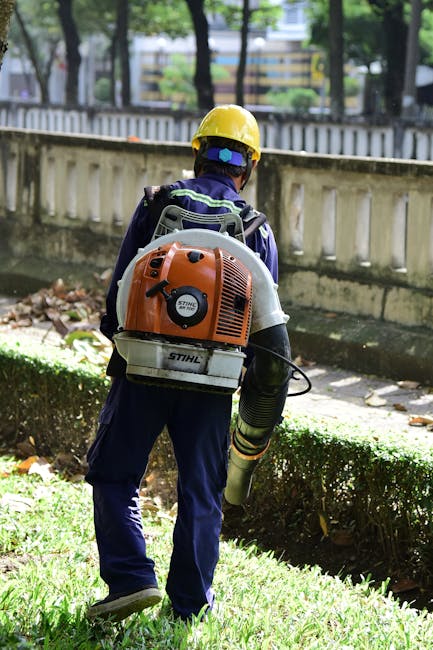
SW3 garden clearance and waste removal Brompton experts
If your garden in SW3 has got away from you a bit, you are not alone. One windy weekend turns into a heap of cuttings, a broken planter, a tired lawn, and suddenly the space feels more like a storage yard than a garden. That is where SW3 garden clearance and waste removal Brompton experts make a real difference. They do the heavy lifting, separate the waste properly, and leave you with a space that feels usable again rather than half-finished.
In practical terms, good clearance is more than "taking stuff away". It is about clearing safely, removing green waste responsibly, and making sensible decisions about what should be recycled, composted, hauled off, or kept for reuse. This guide breaks down how the service works, who needs it, what to watch out for, and how to get the best result without wasting time or money.
For homeowners, landlords, and anyone managing a small or large outdoor space, the aim is simple: less mess, less stress, better outcome. And yes, a garden that you can actually enjoy again. Lovely, really.
Table of Contents
- Why SW3 garden clearance and waste removal Brompton experts Matters
- How SW3 garden clearance and waste removal Brompton experts Works
- Key Benefits and Practical Advantages
- Who This Is For and When It Makes Sense
- Step-by-Step Guidance
- Expert Tips for Better Results
- Common Mistakes to Avoid
- Tools, Resources and Recommendations
- Law, Compliance, Standards, or Best Practice
- Options, Methods, or Comparison Table
- Case Study or Real-World Example
- Practical Checklist
- Conclusion
- Frequently Asked Questions
Why SW3 garden clearance and waste removal Brompton experts Matters
Garden clearance sounds straightforward until you are standing in front of a pile of branches, soil bags, old fencing, broken terracotta, and the remains of what used to be a fairly decent border. At that point, the job stops being a tidy-up and starts becoming a logistics exercise. In SW3, where outdoor spaces can be compact, awkwardly accessed, or shared between flats and townhouses, the right approach matters even more.
Using Brompton experts for clearance and waste removal is not just about convenience. It is about doing the job properly first time, with care for the property, the neighbours, and the waste stream itself. Garden waste is often mixed with non-green items, and if that is not sorted correctly, it can slow the job down and make disposal more complicated.
There is also the matter of safety. Overgrown gardens often hide uneven ground, broken glass, sharp metal edging, unstable stacks, or slippery surfaces after rain. Anyone clearing a garden needs a methodical plan. The point is not to rush around with a wheelbarrow and hope for the best. The point is to clear the space without creating another problem.
For many Brompton and SW3 properties, clearance is also a reset. It is the first step before maintenance, landscaping, hedge trimming, or lawn recovery. A garden cannot be improved properly if the site still holds years of clutter and dead growth. So, clearing is often the foundation, not the end of the story.
How SW3 garden clearance and waste removal Brompton experts Works
A good garden clearance service usually follows a clear sequence. First comes an assessment of the site. That means looking at access, the type of waste, whether anything is bulky or awkward, and whether there are hidden issues like unstable compost heaps or overgrown tree branches near boundaries. It sounds simple, but these first few minutes matter a lot.
Next, the team separates the work into practical categories. Green waste such as cuttings, leaves, small branches, and weeds is handled differently from soil, timber, broken pots, household junk, or construction debris. That separation helps with responsible disposal and makes the job cleaner and faster. To be fair, it is one of the biggest signs you are dealing with professionals rather than just a van and a pair of gloves.
Once the waste is sorted, the physical clearance begins. This can involve cutting back overgrowth, lifting debris, bagging loose material, dismantling light structures, and clearing the area systematically so nothing gets missed. If the garden has trees, large hedges, or dense growth, the job may overlap with services like tree lopping and removal or hedge trimming.
After the site is clear, the waste is removed for proper disposal or recycling. Many clients also use the opportunity to schedule follow-up work such as garden maintenance, lawn mowing, or broader landscaping. That is often where the real transformation happens. The clearance is the clean slate; the next phase makes it useful.
Key Benefits and Practical Advantages
The biggest benefit is obvious: you get your space back. But there is more going on than just visual improvement. A cleared garden is easier to walk through, easier to maintain, and far less likely to harbour pests, damp smells, or trip hazards. If you have ever tried to prune a hedge around a pile of old canes and bags, you will know exactly what I mean.
Another advantage is time. Clearing a garden properly can take a whole day or more for a homeowner, especially if disposal trips are involved. Pros come with the right equipment, enough labour, and a plan for removal. That often means the job is done in one visit rather than dragged out over several weekends.
There is also a sustainability angle. When waste is handled carefully, green material can often be separated from mixed rubbish, which supports more responsible processing. If sustainability matters to you, it is worth checking a provider's approach to recycling and sustainability. That may not be the flashiest part of the service, but it is one of the most sensible.
And then there is peace of mind. A proper clearance reduces the risk of accidental damage, missed waste, or awkward disputes about what was removed. Truth be told, that calm, finished feeling is often what people remember most. You look out the back door and think, finally, that is better.
Who This Is For and When It Makes Sense
This kind of service suits a wide range of people, not just those dealing with a jungle-like garden. In SW3, many outdoor spaces are small but intensively used. A modest terrace garden can still collect a surprising amount of waste after one season of pruning, planting, and general life happening in the background.
It makes sense if you are:
- moving into a property and want the garden cleared before you settle in
- preparing a home for sale or letting and need the outside space presentable
- dealing with storm damage, fallen branches, or broken fencing
- reclaiming a neglected garden after months or years of overgrowth
- planning a redesign and need a clean starting point
- simply tired of looking at the same pile of waste every time you open the back door
Landlords often need clearance after tenant turnover. Homeowners may need it after a busy spring or before winter. Businesses with small courtyard spaces use it to keep access tidy and safe. The exact reasons vary, but the pattern is the same: when the mess starts interfering with use, the job has become worth doing professionally.
If the space is part of a wider upgrade, you may also want to explore decking services or landscape gardening once the clearance is finished. The cleaner the base, the better the result. That is just how it goes.
Step-by-Step Guidance
If you are planning a clearance job, it helps to know how a professional process should flow. Here is the practical version, minus the fluff.
- Walk the site carefully. Identify all waste, access points, and any hazards before lifting anything.
- Separate materials. Keep green waste, timber, soil, metal, and general rubbish distinct where possible.
- Decide what stays. Mark out plants, pots, tools, and features you want to keep. Sounds obvious, but it saves headaches.
- Cut back and dismantle safely. Start with overgrowth, then move on to bulky or awkward items.
- Load methodically. Heavy waste should be moved in a controlled way, not dragged across paving or beds.
- Check for leftovers. Small fragments, wire, and broken bits are easy to miss. A final sweep matters.
- Finish with a usable surface. Once the waste is gone, the area should be ready for maintenance or follow-on work.
A small but important note: if there are branches, mature shrubs, or trees close to fences, a careful clearance may need coordination with pruning or removal work. For larger growth, it is often sensible to combine clearance with tree lopping and removal rather than treating the issues separately.
If you want the garden to stay tidy after the initial clearance, the smartest next step is often a seasonal plan. A one-off job can be enough, but regular upkeep is usually the difference between "nice for a week" and "actually manageable".
Expert Tips for Better Results
There are a few things that consistently improve the outcome. First, be ruthless about defining the goal. Are you trying to remove everything, or only green waste? Is the objective a clean reset, or just enough breathing room to start maintenance? The clearer you are, the smoother the job.
Second, give access thought before the day arrives. Narrow side passages, shared entrances, and basement steps can affect how waste is moved. In SW3, access can be a bigger issue than the garden itself. A tidy courtyard behind an elegant front facade can still be a fiddly little puzzle behind the scenes.
Third, ask for a plan around waste handling. Not every job is the same. Some material is best recycled, some is bulky and mixed, and some should be kept separate for safety. A professional team should be able to explain this without sounding vague or flustered.
Fourth, think ahead to what comes after the clearance. If the lawn is patchy, if hedges need shaping, or if the whole space needs a reset, line up the next service while the site is already open and accessible. That often saves time and helps the garden recover faster.
And lastly, do not be shy about asking questions. A good provider should welcome them. If a quote feels too neat or too quick, ask what is included, what is excluded, and how waste will be disposed of. Better to ask now than wonder later.
Common Mistakes to Avoid
One of the most common mistakes is underestimating the amount of waste. What looks like "a few bags and a pile of cuttings" can turn into a full-scale collection once everything is pulled out from corners and borders. Gardens are sneaky like that.
Another mistake is mixing clearance with improvement work without deciding which comes first. If you try to plant, prune, dig, and clear all at once, the job gets messy fast. Usually, clear first, then improve. It is not glamorous, but it works.
People also forget to check what is actually being removed. Pots, tools, trellis, old compost bags, sleepers, and broken ornaments can all be left behind by accident if the site is not walked properly. A little bit of chaos tends to hide in plain sight.
Skipping disposal detail is another one. You do not want to end up with waste sitting in the drive for another day or two because nobody planned the removal properly. That sort of delay can be annoying, especially if you were hoping to use the garden that weekend. There is nothing quite like a half-cleared garden to test patience.
Finally, avoid choosing purely on speed. Fast is useful, yes, but not if it means damaged paving, poor sorting, or a rushed finish. The best result is usually the one that looks calm and deliberate, even if the work itself was fairly hard going behind the scenes.
Tools, Resources and Recommendations
The right tools make a big difference. For clearance work, that often includes heavy-duty sacks, rakes, secateurs, loppers, pruning saws, wheelbarrows, tarps, gloves, and sometimes protective eyewear. On larger or denser jobs, cutting equipment and lifting gear may also be needed. Nothing fancy, just the right kit used properly.
For property owners, the best "resource" is often a good briefing list. Write down what must go, what must stay, and which areas are fragile or tricky. A short note saves confusion later. If there is a delicate border, a hidden pipe cover, or a section of paving that has seen better days, say so up front.
You may also want to review broader service information before booking. The services overview is useful if you are comparing clearance with maintenance, landscaping, or hedge work. If pricing is on your mind, the pricing and quotes page is a sensible place to start.
And if you are the sort of person who likes to know who is actually coming onto the property, it is worth reading the company information on about us. A few minutes of checking can save a lot of guesswork. Not glamorous, I know, but useful.
Law, Compliance, Standards, or Best Practice
Garden clearance and waste removal should follow sensible UK waste-handling practice. In plain English, that means waste should be carried, stored, sorted, and disposed of responsibly, with attention to safety and environmental care. If a provider is handling waste professionally, they should be able to explain how they separate green material from mixed waste and how they avoid unsafe handling.
There are also practical safety expectations around the work itself. A provider should use suitable equipment, work carefully around trip hazards and sharp objects, and take reasonable care of the property. That might sound basic, but basic done well is often what separates a smooth job from a headache.
If you are comparing providers, it is reasonable to ask about insurance, site safety, and how they deal with accidental damage or difficult access. The pages on insurance and safety and health and safety policy can help you understand the standards a responsible business should be following.
Good practice also includes clear communication. You should know what the team will remove, what remains, and how any changes are handled if they discover more waste than expected. That kind of clarity is not a luxury. It is just decent practice.
Options, Methods, or Comparison Table
Not every garden clearance needs the same level of service. Some jobs are simple and quick; others need more sorting, cutting, and careful removal. Here is a practical comparison to help you think it through.
| Approach | Best for | Pros | Trade-offs |
|---|---|---|---|
| DIY clearance | Small tidy-ups with easy access | Low upfront cost, flexible timing | Time-consuming, disposal logistics, physical effort |
| Professional clearance only | Overgrowth, bulky waste, one-off resets | Fast, safer, more thorough finish | Requires booking and clear scope |
| Clearance plus maintenance | Gardens that need a reset and upkeep | More joined-up, better long-term result | Can cost more than a one-off job |
| Clearance plus landscaping | Gardens being redesigned or rebuilt | Strong transformation potential | Usually needs planning and staged work |
If you are not sure where your job sits, think about the end result you want. If you just need space back, clearance alone may be enough. If you want the garden to feel finished and usable, pairing it with garden maintenance or landscape gardening usually makes more sense.
Case Study or Real-World Example
Here is a realistic sort of scenario. A Brompton homeowner has a back garden that had slipped into "I will deal with it next month" territory. By late spring, there are dead leaves in the corners, a few bags of old soil, some broken canes, an overgrown shrub leaning into the path, and a patchy lawn that has not seen proper attention for a while.
The first thing a good clearance team does is slow the whole thing down for a moment. Not literally, of course. But they assess access, protect surfaces, separate the green waste from the mixed debris, and deal with the awkward pieces first. There is no heroic sprint. Just steady, methodical work.
By the end of the visit, the garden is no longer cluttered. The path is open, the beds are visible again, and the lawn can actually be mown properly. The owner then decides to schedule follow-up care rather than letting the space slide back into mess. That is usually the turning point. You can almost see the relief, honestly.
The real win in this kind of job is not dramatic before-and-after theatrics. It is the practical feeling of control coming back. A garden that was avoiding your eye becomes a place you want to step into again, even if it is only with a mug of tea on a quiet evening.
Practical Checklist
Use this quick checklist before booking or starting a clearance job.
- Identify all waste piles, overgrowth, and hidden corners.
- Separate what must stay from what can go.
- Check access points, gates, and shared paths.
- Flag any fragile paving, borders, or structures.
- Decide whether you need clearance only or follow-on maintenance.
- Ask how green waste and mixed waste will be handled.
- Confirm whether bulky items, soil, or timber are included.
- Review the provider's terms and conditions before you commit.
- Check payment and booking details in advance via payment and security.
- Have a plan for what comes next after the space is cleared.
If you are dealing with recurring overgrowth rather than a one-off mess, it may also be worth looking at ongoing lawn mowing or hedge trimming. Small regular jobs can prevent big clearances later. Simple, but true.
Conclusion
SW3 garden clearance and waste removal Brompton experts are there to do more than clear away mess. They restore order, reduce risk, and give you a practical starting point for a better garden. Whether the job is a seasonal tidy, a neglected space that needs a reset, or the first step in a larger outdoor project, the value lies in careful, responsible work done properly.
What matters most is not flashy language or a rushed finish. It is clarity, safety, and a result that actually makes your outdoor space easier to use. That is the bit people remember when the dust settles and the last bag has gone.
Get a free quote today and see how much you can save.
If you want to understand the team behind the service a little better, visit about us or get in touch through contact us. A tidy garden has a funny way of lifting the whole mood of a place.
Frequently Asked Questions
What does garden clearance usually include?
It usually includes removing green waste, cuttings, weeds, branches, and other garden debris. Depending on the job, it can also include bulky items like broken pots, old timber, or light outdoor clutter. The exact scope should always be agreed in advance.
How is waste removal different from garden maintenance?
Waste removal focuses on clearing and taking material away. Garden maintenance is about keeping the garden in good shape over time through regular tasks such as mowing, trimming, weeding, and tidy-ups. Many people use both together.
Do I need to prepare the garden before the team arrives?
A little preparation helps. Move personal items, set aside anything you want to keep, and point out access routes or fragile areas. You do not need to do the heavy work yourself, but a quick walkthrough makes the visit smoother.
Can clearance be done in a small SW3 courtyard garden?
Yes, absolutely. In fact, small gardens often benefit the most because clutter builds up quickly in limited space. Access can be tighter, so the team may need a more careful loading plan, but the job is very doable.
What happens to the waste after it is removed?
It should be sorted and disposed of responsibly. Green waste is typically handled separately from mixed rubbish, and recyclable material should be separated where possible. A responsible provider should be able to explain their approach clearly.
Is garden clearance a one-off service or can it be repeated?
Both. Some clients need one big clear-out after months of build-up, while others book regular clearances as part of a seasonal routine. If your garden tends to get out of hand quickly, recurring visits can be a very sensible choice.
How do I know if I need tree work as well as clearance?
If branches are overhanging paths, blocking light, pressing against fences, or making the garden unsafe to access, tree work may be needed alongside clearance. In those cases, tree lopping and removal may be relevant.
Can a clearance job be combined with landscaping?
Yes, and that is often the best way to approach a garden that needs more than a tidy-up. Once the waste is gone, the site is easier to assess for new beds, paths, turfing, or other improvements. It saves repeated disruption.
What should I ask before accepting a quote?
Ask what is included, what is excluded, how access is handled, whether waste removal is included, and whether any extra charges might apply for bulky or difficult material. You want a clear answer, not a vague shrug.
Why use a Brompton-based specialist rather than doing it myself?
Because clearance can be more time-consuming and physically demanding than it first looks. A specialist brings the right equipment, more efficient removal, and a safer approach to bulky or awkward waste. That often makes the overall result better and less stressful.
How can I keep the garden tidy after a clearance?
Regular mowing, trimming, and light maintenance are the easiest way to stop the clutter returning. Many people also book seasonal check-ins so the garden never gets back to the point where it feels overwhelming. A little upkeep goes a long way, honestly.